Parinama News Letter
Director’s Message
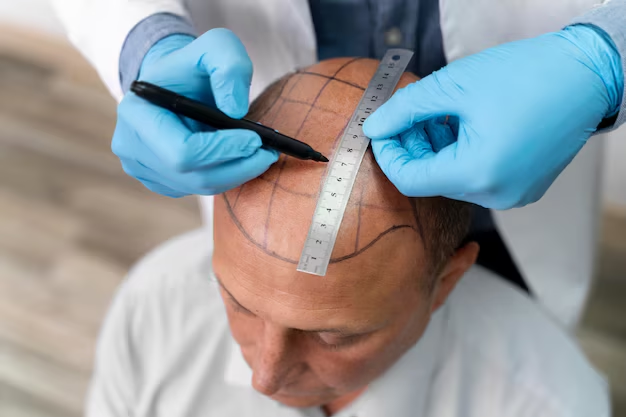
A recent incident in Mumbai has sparked widespread concern about the safety of hair transplants. But let’s set the record straight: when performed by certified experts in a reputable setting, hair transplants are a safe, effective, and life-changing solution for hair loss. Hair restoration is not just about vanity; it’s about confidence, self-esteem, and a better quality of life. With the right expertise and infrastructure, hair transplants can work wonders. But how do you choose the right clinic and surgeon? When it comes to hair restoration, expertise matters. Look for a board-certified hair transplant surgeon with a proven track record. Check their credentials, read reviews, and ask for before-and-after photos. The clinic should also have modern equipment, high safety standards and transparent protocols, emergency services, qualified staff and a tailored treatment plan.
– Dr. Jayanthy Ravindran
The Truth About Hair Transplant Safety: Separating Facts from Fear
Hair transplantation is a safe surgical procedure when performed by qualified professionals. Complications are rare and mostly preventable. However, unqualified individuals performing these procedures can put lives at risk. Ultimately, safety depends more on the doctor and clinic than the technique itself.
Who Is Qualified to Perform Hair Transplant Surgery?
Certified plastic surgeons (MCh or DNB) or dermatologists (MD) with hair restoration training should perform hair transplants. Look for memberships in international societies like ISHRS or ABHRS, and don’t hesitate to ask about your doctor’s qualifications.
5 Red Flags That a Clinic Is Not Safe for Your Hair Transplant
1. Unclear medical credentials or doctor identity
2. Unrealistic promises and deep discounts
3. Non-medical staff performing surgery
4. No emergency equipment or ICU backup
5. No clear follow-up or aftercare protocol
What Infrastructure Should a Hair Transplant Clinic Have?
A trustworthy hair transplant clinic should have:
1. Sterile operating room
2. Emergency medications and equipment
3. ICU or emergency backup
4. Trained nurses and technicians
5. NABH accreditation (in India) for quality assurance.
How to Verify a Clinic’s Credentials and Doctor’s Qualifications
To ensure safety, patients can:
1. Check doctor credentials on National Medical Commission website
2. Verify clinic accreditation (NABH)
3. Read Google reviews and speak to past patients
4. Ask about technician roles
5. Visit the clinic in person before finalizing
Hair Transplant vs Hair Restoration: Understanding All Your Options
Hair restoration includes surgical and non-surgical treatments like PRP, exosomes, and medications. A holistic plan from a qualified expert can offer better long-term results. Look for a center that offers customized care and both surgical and non-surgical options.
Tamira’s Promise: Patient-Centered, Ethical Hair Restoration
At Tamira, we prioritize patient-centered care with:
1. Thorough evaluation by board-certified professionals
2. Evidence-based protocols
3. Safe, sterile environment
4. Commitment to safety, transparency, and ethical care.